Ön nem tudja használni ezt a szolgáltatást, mert nincs bejelentkezve felhasználóként. Kérjük lépjen be, vagy regisztráljon!
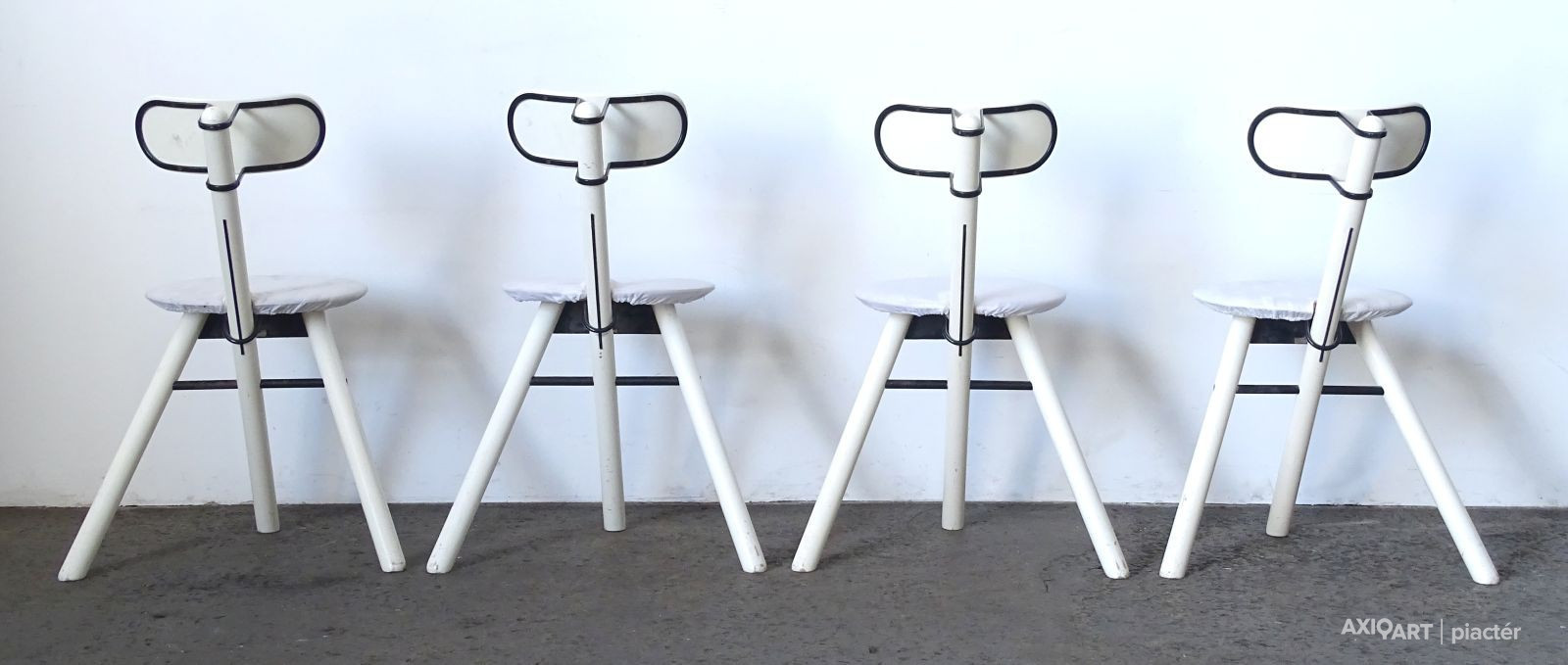
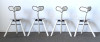
Antonio Calligaris olasz designered szék 4db
Eladási ár: 360 000 HUF
Leírás
[0X946/KCS]
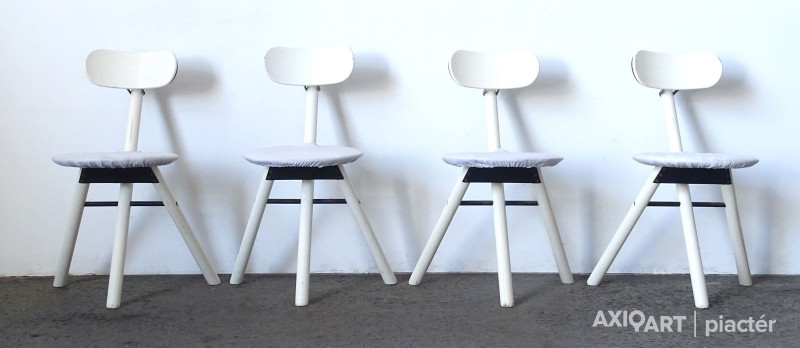
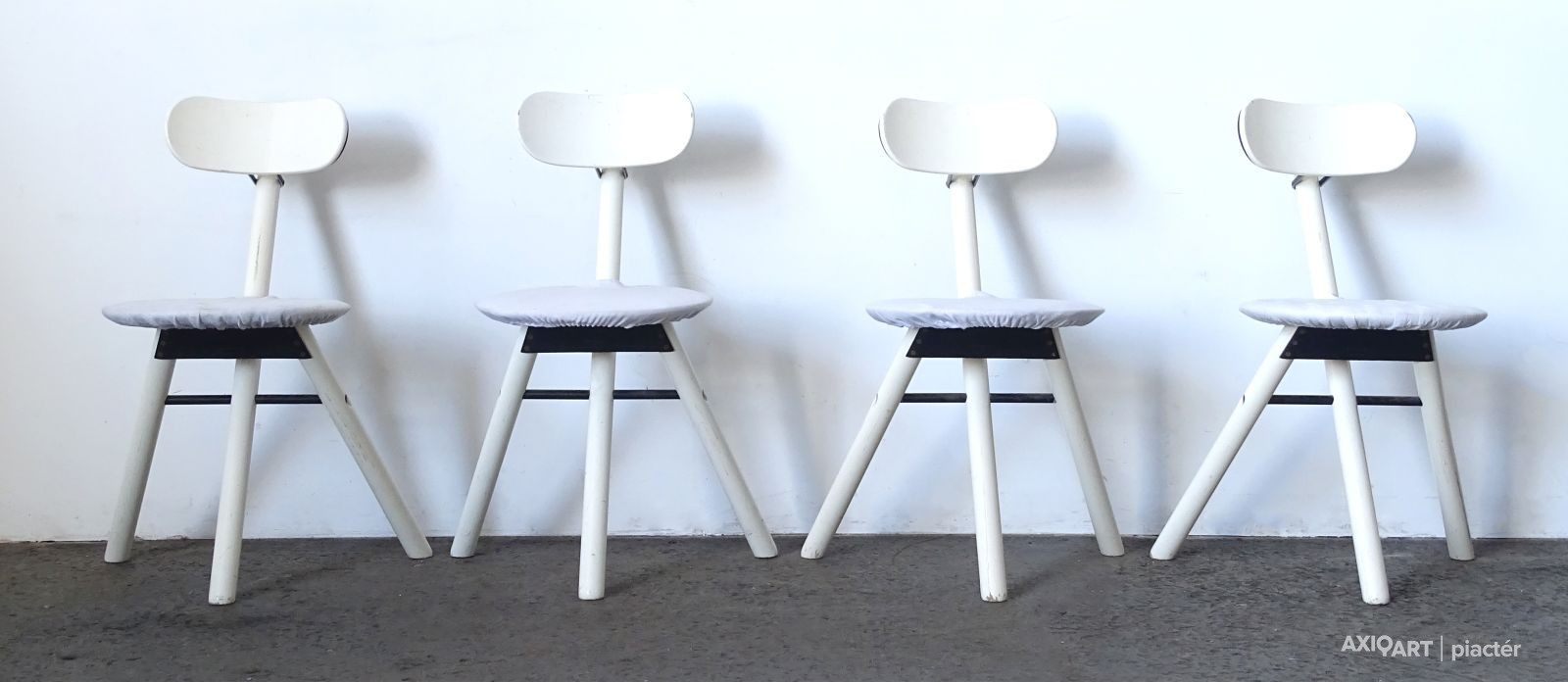
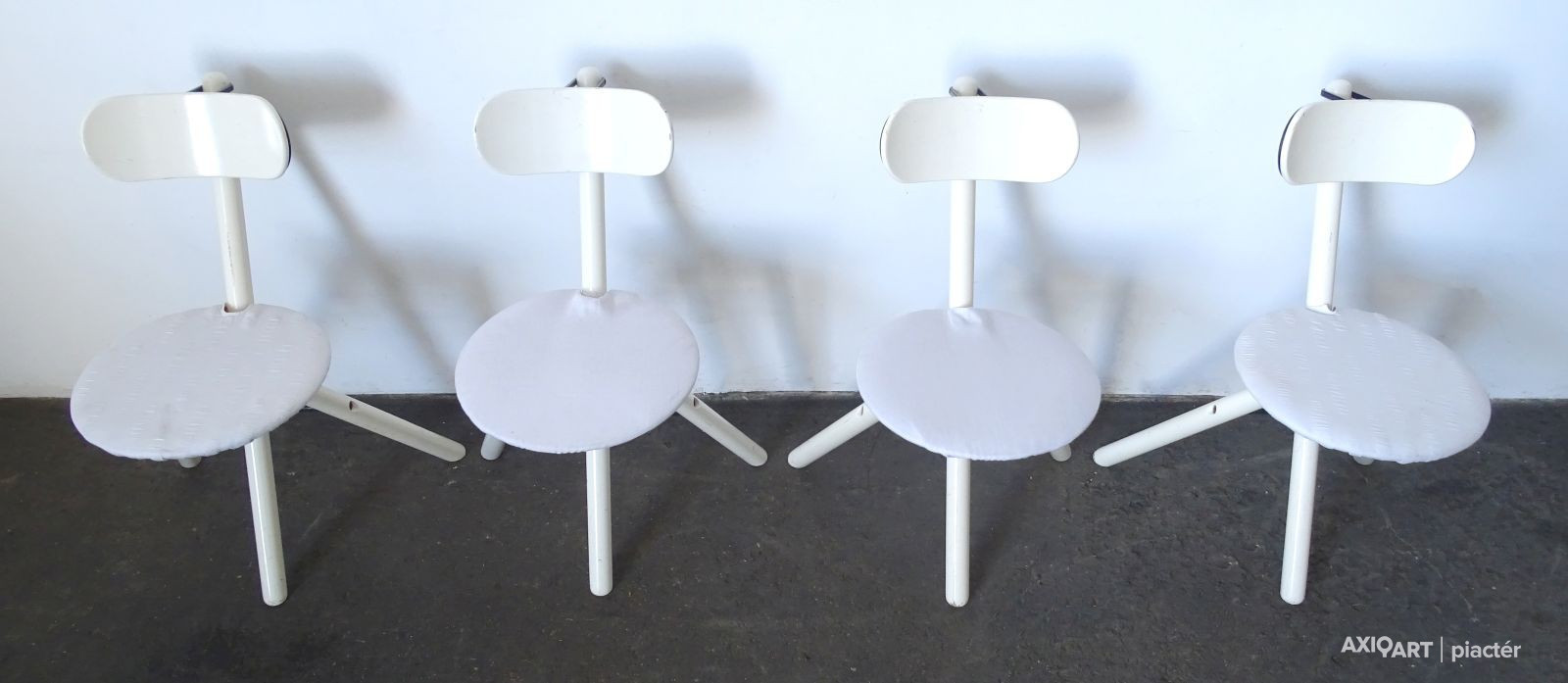
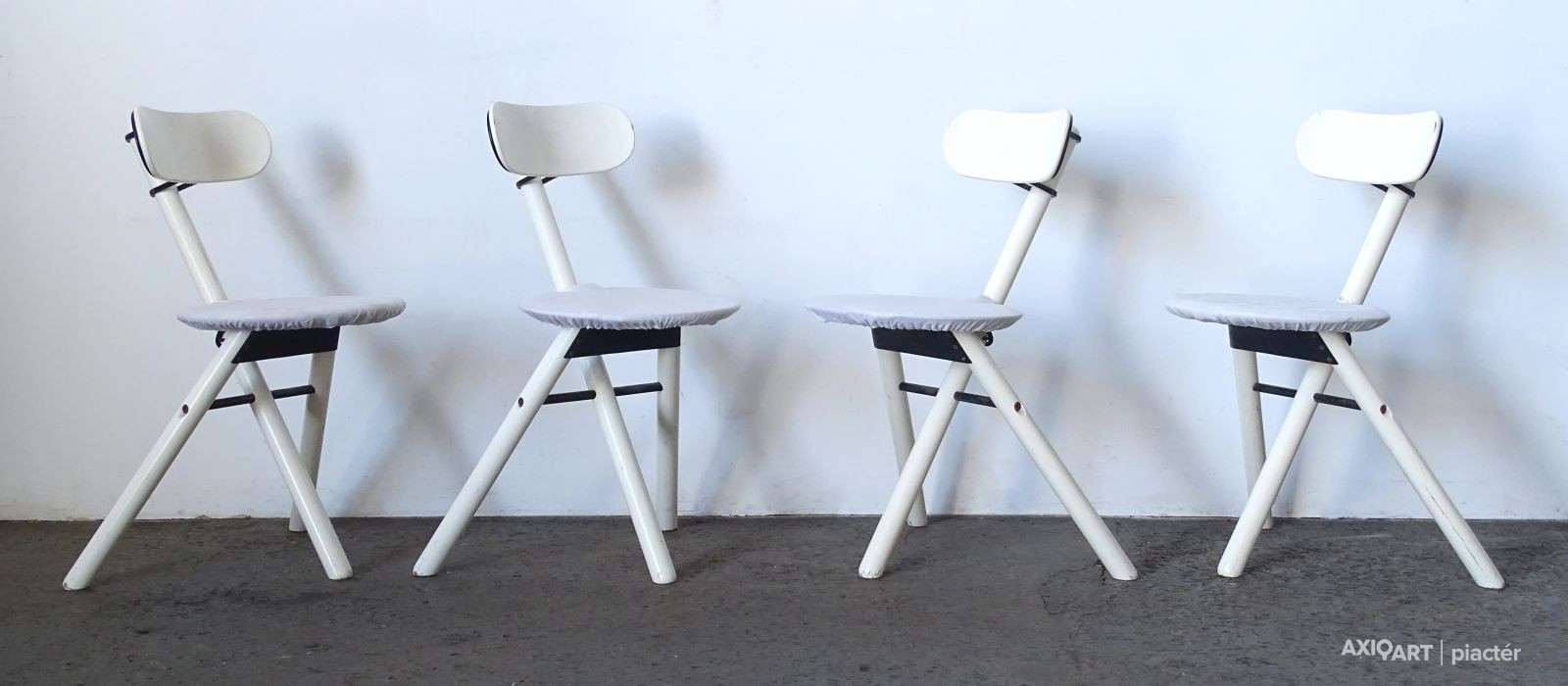
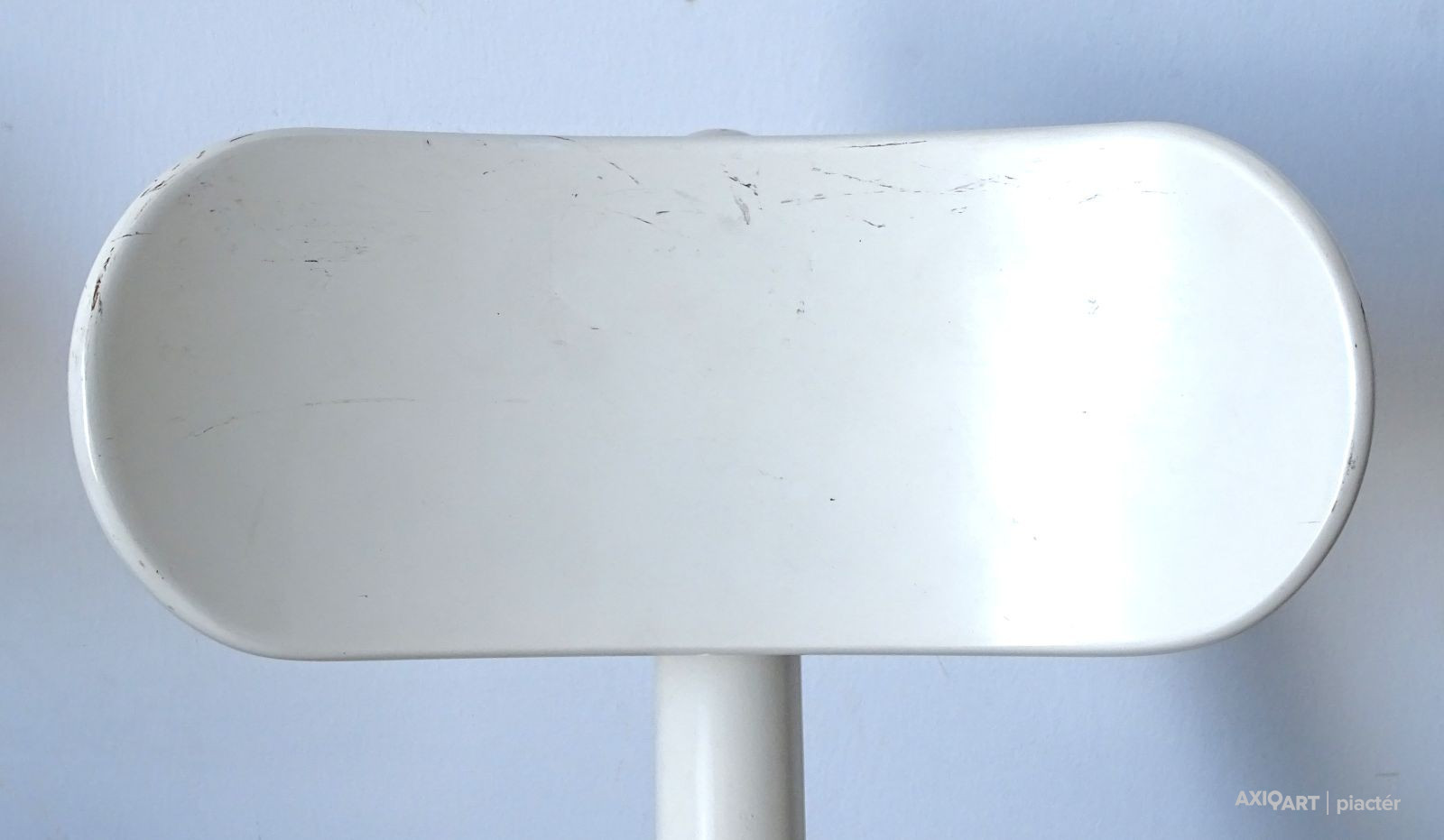
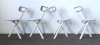
Szép állapotú, nagyon erős, fehér színű fa háromlábú, összecsukható olasz formatervezett szék garnitúra, 4 darab.
Jelzett olasz designer munka!
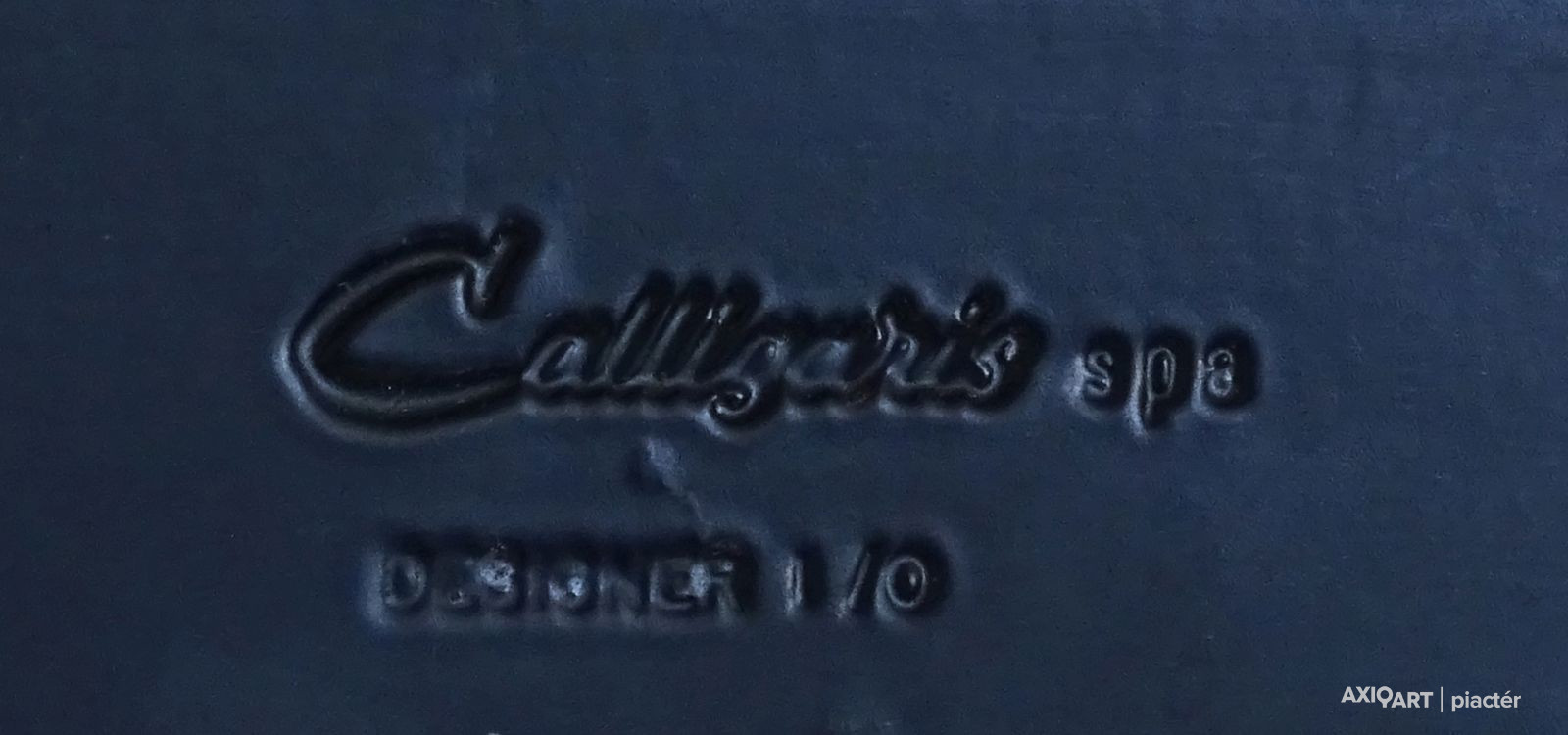
A fém részen jelzés:
CALLIGARIS SPA DESIGNER 1/0
(Antonio Calligaris)
Ugyanezzel a címmel további 4 db szék még kapható. Összesen 8 egyforma szék vásárolható.
Magasság: 76 cm
Szélesség: 56 cm
Our history
1923 - THE BIRTH OF THE COMPANY
Calligaris was founded in Manzano, in the province of Udine, in 1923, starting out as a small artisan laboratory created by Antonio Calligaris. There he produced the MAROCCA chair, with its wooden frame and caned seat, a typical product for the area that would later become known as the “chair district”. The cut and assembly of the wooden parts was mainly entrusted to the men, while the caning was carried out by women who went to the customers' homes and, in roughly two hours, were able to complete one chair.
1920-1960: THE FIRST PRODUCTIONS
The workshop of Antonio Calligaris organizes its production, bringing in wood from the surrounding mountains and straw from the Friulan lagoon. The apprentices of the workshop are entrusted with colouring the straw, dyed with natural pigments. The machines are few, the majority of the work is still done manually and it is mainly women who take care of weaving the seats and putting the finishing touches on the chairs.
In the 1950s, Romeo inherited his father’s business and was able to further develop it, also thanks to the economic boom of the post-war period.
1960-1980: CALLIGARIS IS AN INDUSTRY
In the 60s, the economic boom coincides with the modernization of the calligaris family business: the business was passed on to the third Calligaris generation, to Alessandro and Walter, who put their faith in an automatic caning machine that could cane a seat in one minute and twenty seconds using synthetic fibres similar to straw.
In subsequent years, production capacity continued to grow and the business gradually transformed into a well-structured industrial company, leader in a geographical area known worldwide as "the chair district", which begins to lay the groundwork for the conquest of other markets.
Creation of the first catalog and the start of foreign exports. From that moment, Calligaris began to distribute its products to the final customer through dealers located across Italy and Europe.
1980-2000: FROM FIRM TO BRAND
In 1986, Alessandro calligaris, the third generation of the family, takes over the presidency of the company.
Calligaris expands its range with complete furnishing solutions: chairs, tables, furniture, beds, sofas, furnishing and decorative accessories.
Wood is no longer the only material by which Calligaris measures its vocation to innovation, the company now also begins to work in metal, plastic, leather and glass.
In 1998, the company opens its first American subsidiary in High Point (North Carolina).
2000-2012: CALLIGARIS 2.0
The last decade has been crucial for Calligaris to establish itself as a truly international company.In 2007, Calligaris Group is 40% owned by L Capital, a private equity fund sponsored by the luxury giant LVMH, giving rise to anew strategy of branding, communication (traditional and digital) andretail. In 2008 Calligaris opens its first Flagship Store in Milan, which is then followed in 2012 by a second one in Paris nel 2012.
2013 CALLIGARIS CELEBRATES 90 YEARS
Calligaris' ninety years is a new starting point for exploring and reworking the trends of contemporary living.for its anniversary, calligaris is giving itself a new website, a new system of communication to end users and a retail network made up of 400 partners around the world including over 70 mono-brand stores.
2014 CALLIGARIS IS 100% ITALIAN AGAIN
The Holding of the Calligaris family approves the purchase of the 40% of Calligaris S.p.A. a socio unico, which had been sold in 2007 to L Capital, a private equity fund of the LVMH group.
Calligaris becomes even more Italian in a season that sees the shopping of our brands of fashion, design and luxury by foreign investors.
This for Calligaris marks a re-launch with a new phase of expansion, more than ever consistent with the history of a company that, since its founding in 1923, believes with confidence in the future and in Italy.
2018 - 95th ANNIVERSARY
Currently present in 100 countries with over 620 points of sale and 3 Flagship Stores, Calligaris celebrated its 95th anniversary in truly global style. 2018 was also rich of news with many new projects that were presented during the year.
[0X946/KCS]
Szép állapotú, nagyon erős, fehér színű fa háromlábú, összecsukható olasz formatervezett szék garnitúra, 4 darab.
Jelzett olasz designer munka!
A fém részen jelzés:
CALLIGARIS SPA DESIGNER 1/0
(Antonio Calligaris)
Ugyanezzel a címmel további 4 db szék még kapható. Összesen 8 egyforma szék vásárolható.
Magasság: 76 cm
Szélesség: 56 cm
Our history
1923 - THE BIRTH OF THE COMPANY
Calligaris was founded in Manzano, in the province of Udine, in 1923, starting out as a small artisan laboratory created by Antonio Calligaris. There he produced the MAROCCA chair, with its wooden frame and caned seat, a typical product for the area that would later become known as the “chair district”. The cut and assembly of the wooden parts was mainly entrusted to the men, while the caning was carried out by women who went to the customers' homes and, in roughly two hours, were able to complete one chair.
1920-1960: THE FIRST PRODUCTIONS
The workshop of Antonio Calligaris organizes its production, bringing in wood from the surrounding mountains and straw from the Friulan lagoon. The apprentices of the workshop are entrusted with colouring the straw, dyed with natural pigments. The machines are few, the majority of the work is still done manually and it is mainly women who take care of weaving the seats and putting the finishing touches on the chairs.
In the 1950s, Romeo inherited his father’s business and was able to further develop it, also thanks to the economic boom of the post-war period.
1960-1980: CALLIGARIS IS AN INDUSTRY
In the 60s, the economic boom coincides with the modernization of the calligaris family business: the business was passed on to the third Calligaris generation, to Alessandro and Walter, who put their faith in an automatic caning machine that could cane a seat in one minute and twenty seconds using synthetic fibres similar to straw.
In subsequent years, production capacity continued to grow and the business gradually transformed into a well-structured industrial company, leader in a geographical area known worldwide as "the chair district", which begins to lay the groundwork for the conquest of other markets.
Creation of the first catalog and the start of foreign exports. From that moment, Calligaris began to distribute its products to the final customer through dealers located across Italy and Europe.
1980-2000: FROM FIRM TO BRAND
In 1986, Alessandro calligaris, the third generation of the family, takes over the presidency of the company.
Calligaris expands its range with complete furnishing solutions: chairs, tables, furniture, beds, sofas, furnishing and decorative accessories.
Wood is no longer the only material by which Calligaris measures its vocation to innovation, the company now also begins to work in metal, plastic, leather and glass.
In 1998, the company opens its first American subsidiary in High Point (North Carolina).
2000-2012: CALLIGARIS 2.0
The last decade has been crucial for Calligaris to establish itself as a truly international company.In 2007, Calligaris Group is 40% owned by L Capital, a private equity fund sponsored by the luxury giant LVMH, giving rise to anew strategy of branding, communication (traditional and digital) andretail. In 2008 Calligaris opens its first Flagship Store in Milan, which is then followed in 2012 by a second one in Paris nel 2012.
2013 CALLIGARIS CELEBRATES 90 YEARS
Calligaris' ninety years is a new starting point for exploring and reworking the trends of contemporary living.for its anniversary, calligaris is giving itself a new website, a new system of communication to end users and a retail network made up of 400 partners around the world including over 70 mono-brand stores.
2014 CALLIGARIS IS 100% ITALIAN AGAIN
The Holding of the Calligaris family approves the purchase of the 40% of Calligaris S.p.A. a socio unico, which had been sold in 2007 to L Capital, a private equity fund of the LVMH group.
Calligaris becomes even more Italian in a season that sees the shopping of our brands of fashion, design and luxury by foreign investors.
This for Calligaris marks a re-launch with a new phase of expansion, more than ever consistent with the history of a company that, since its founding in 1923, believes with confidence in the future and in Italy.
2018 - 95th ANNIVERSARY
Currently present in 100 countries with over 620 points of sale and 3 Flagship Stores, Calligaris celebrated its 95th anniversary in truly global style. 2018 was also rich of news with many new projects that were presented during the year.