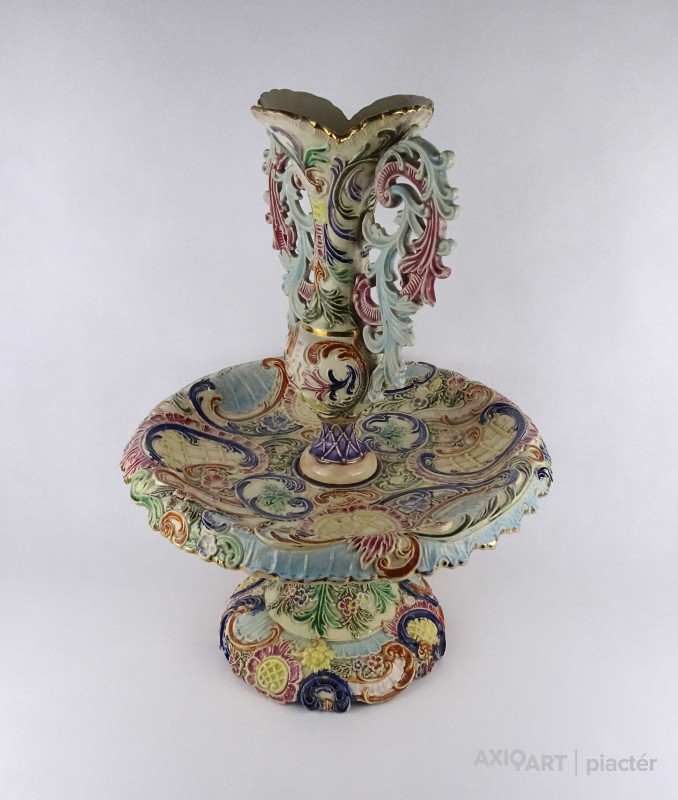
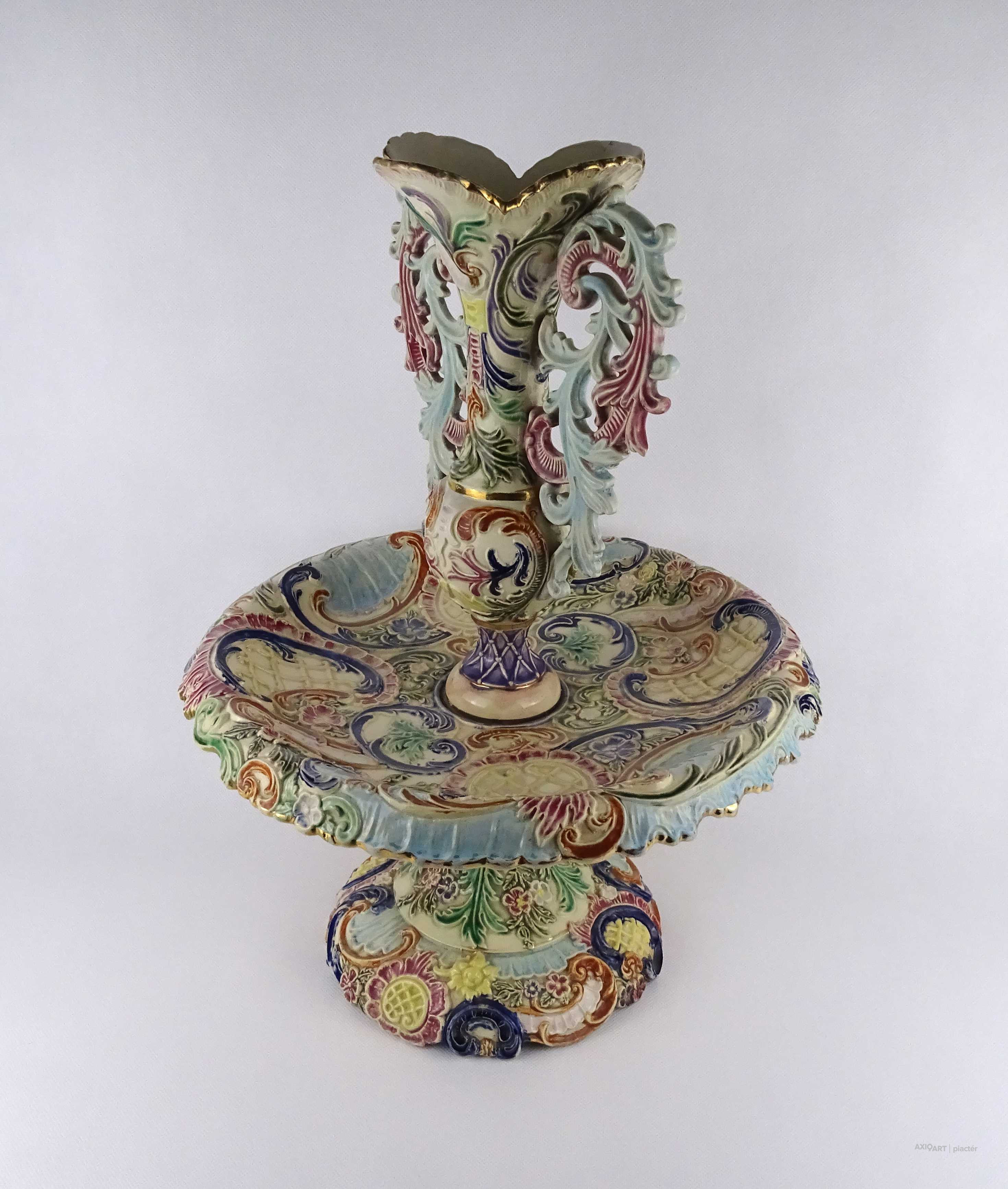
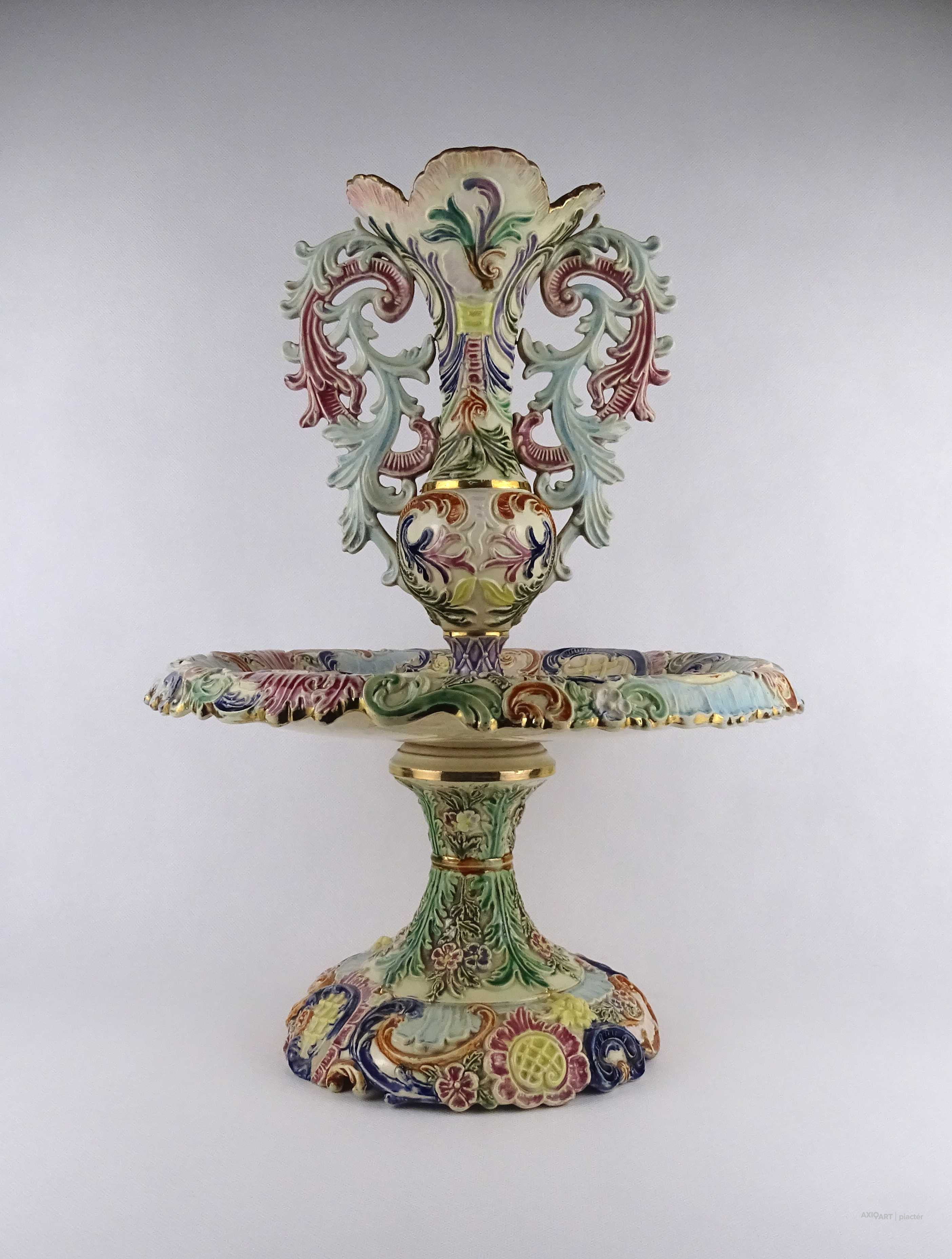
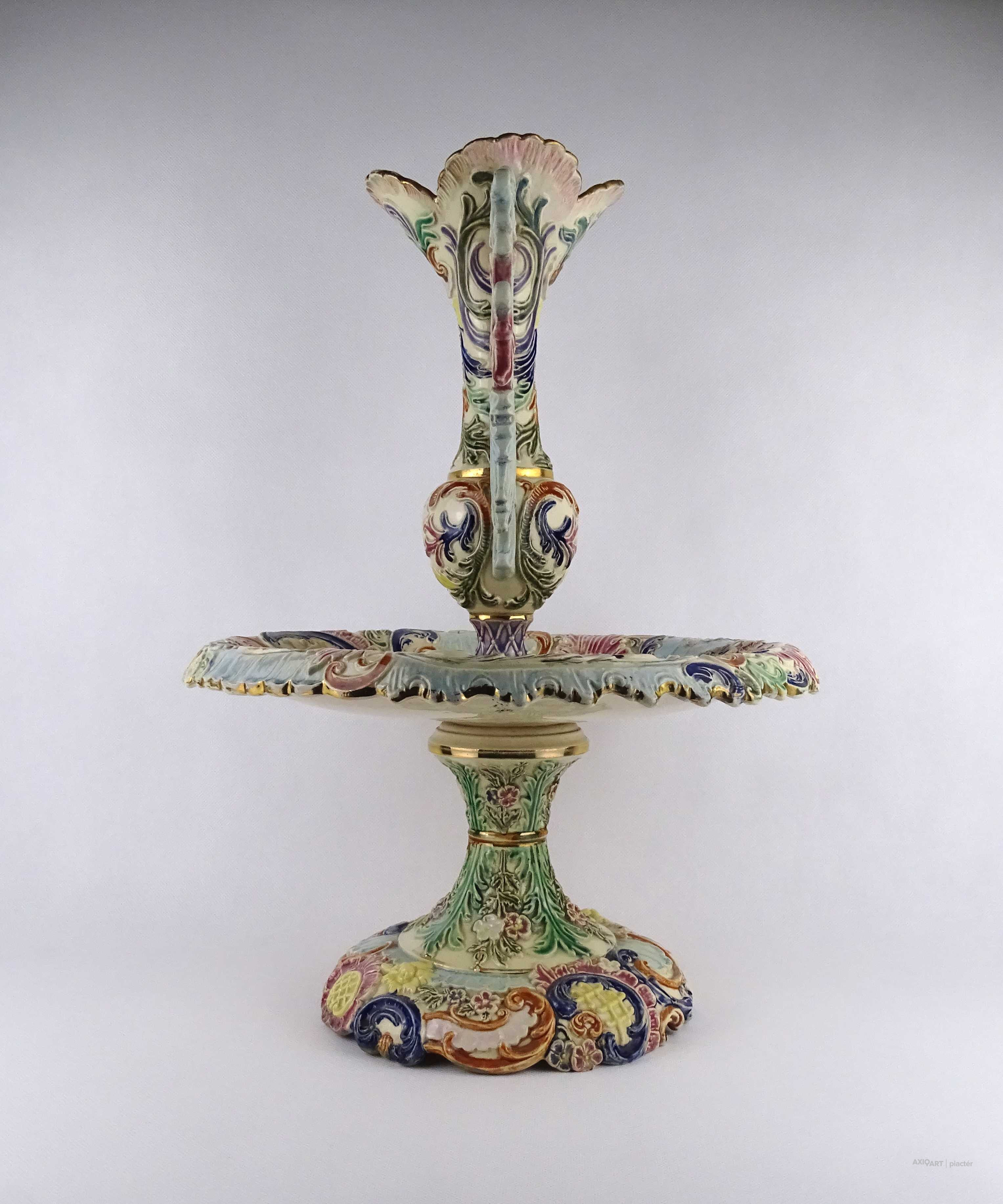
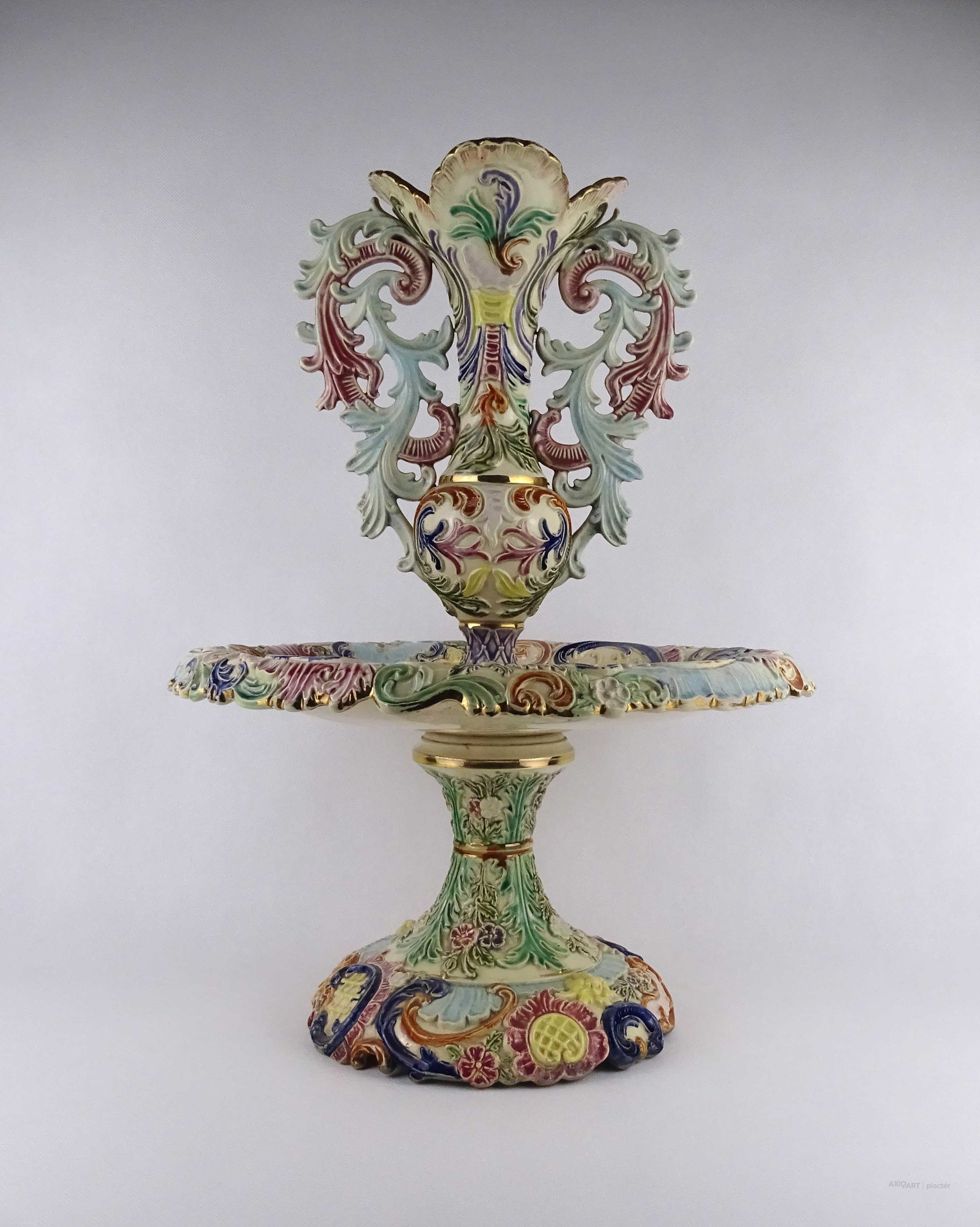
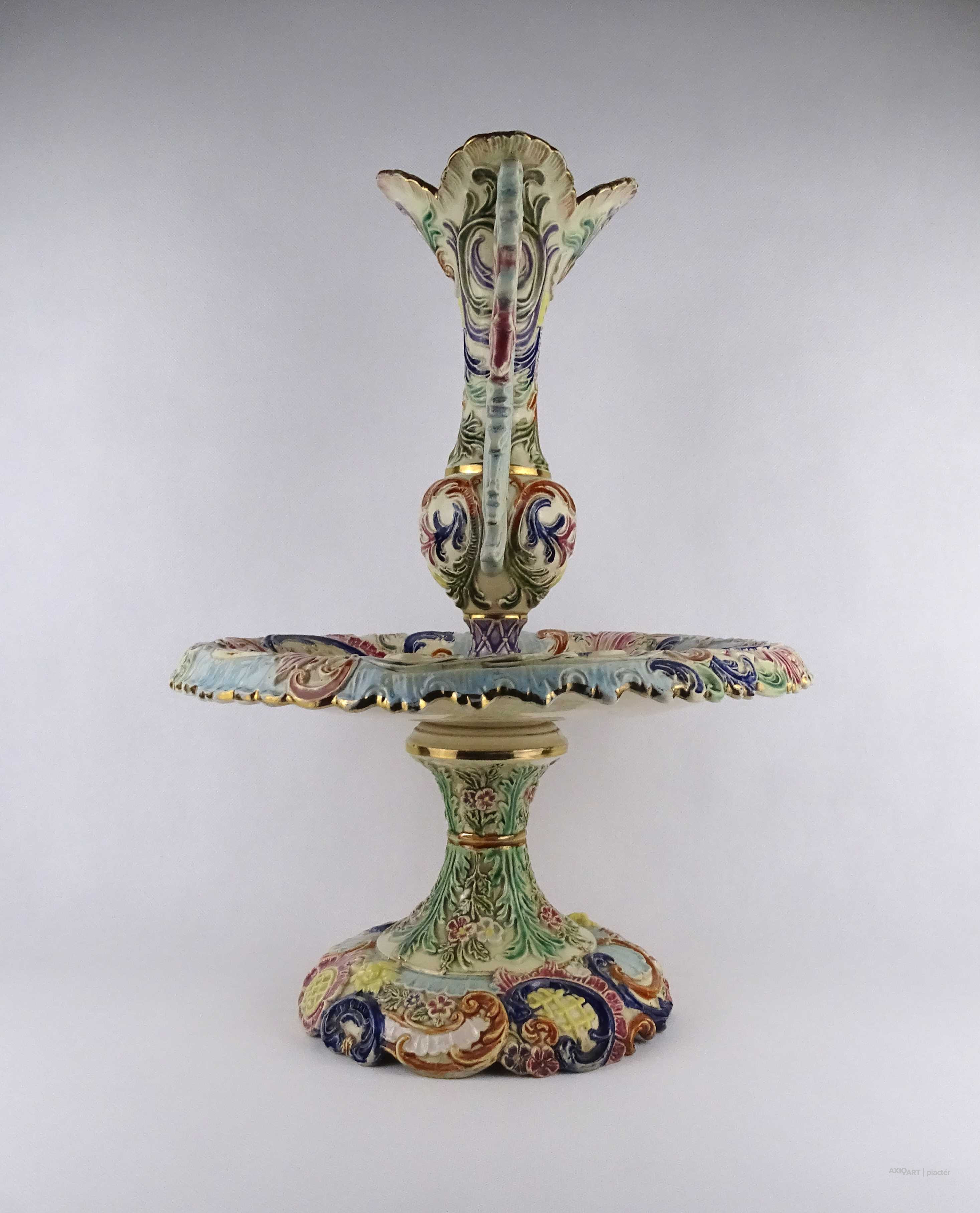
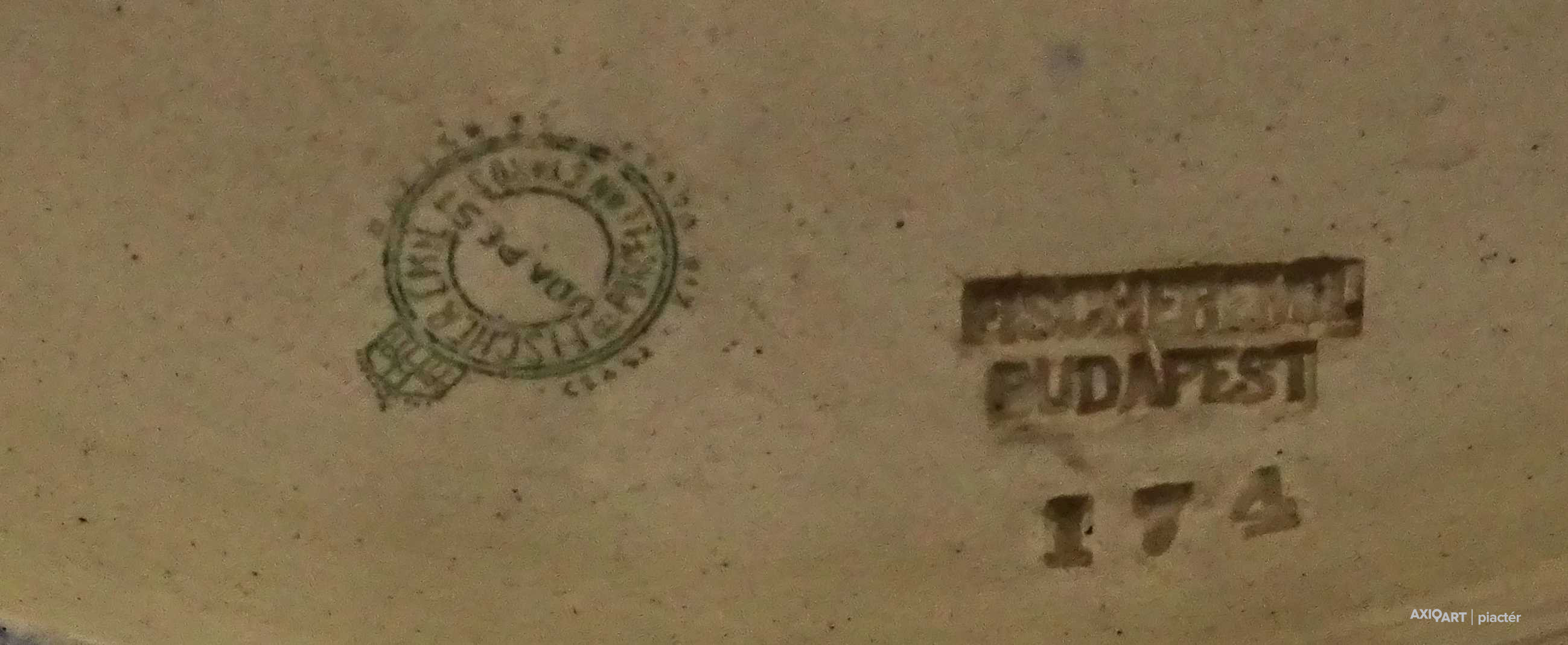
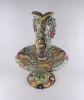
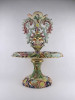
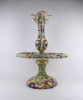
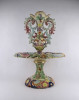
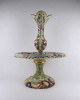
Antik hatalmas Fischer Emil fajansz asztalközép kínáló díszváza 49.5 cm

Eladási ár: 650 000 HUF

Leírás

[1V671/BX-10]
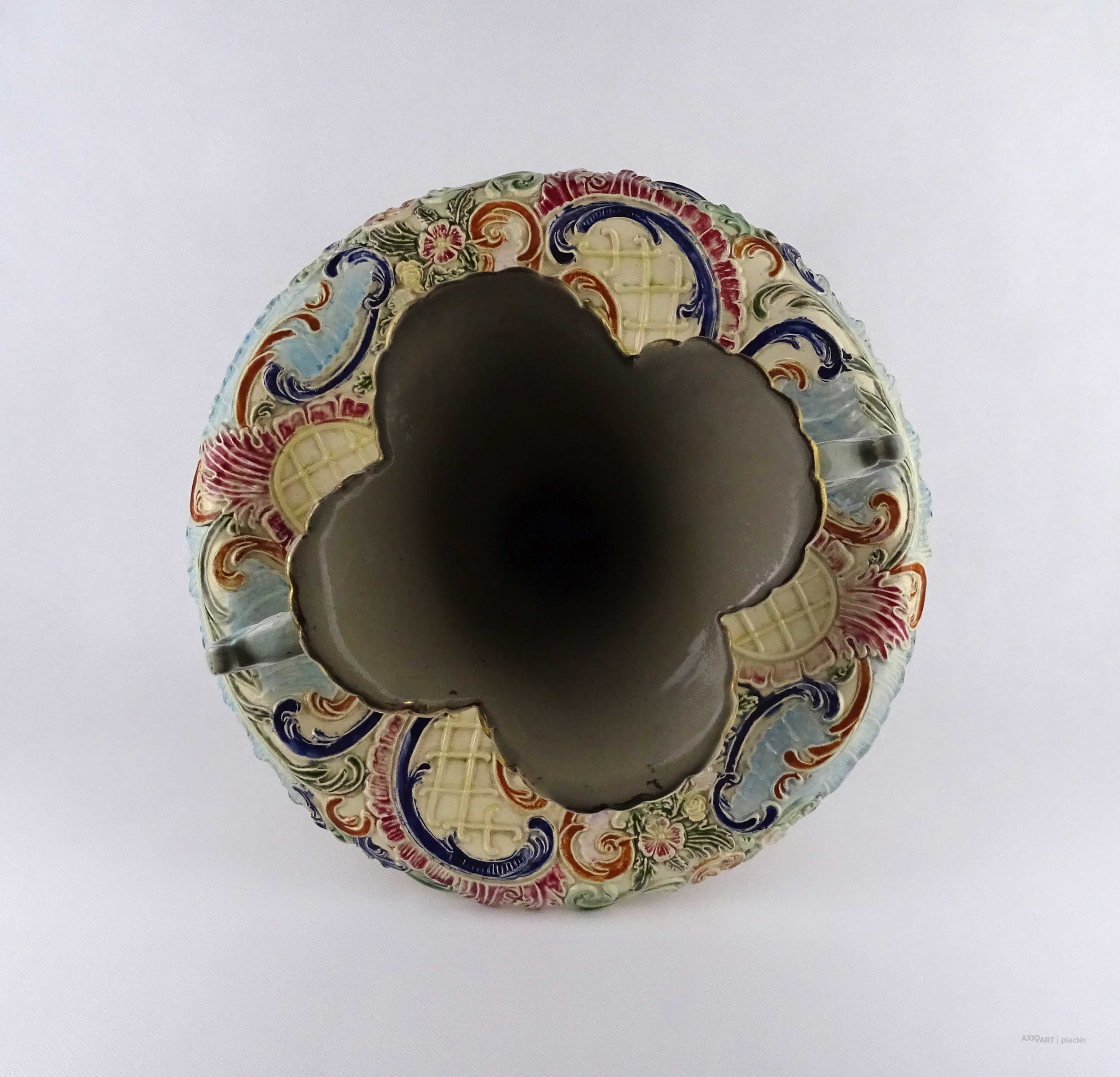
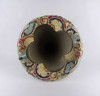
Antik, hatalmas méretű, hibátlan állapotú, duplán jelzett fajansz asztalközép kínáló és díszváza. Plasztikus mintákkal és kézi festéssel gazdagon díszített, ritka, nagy méretű váza. A váza belső pereme restaurátor által szakszerűen javított.

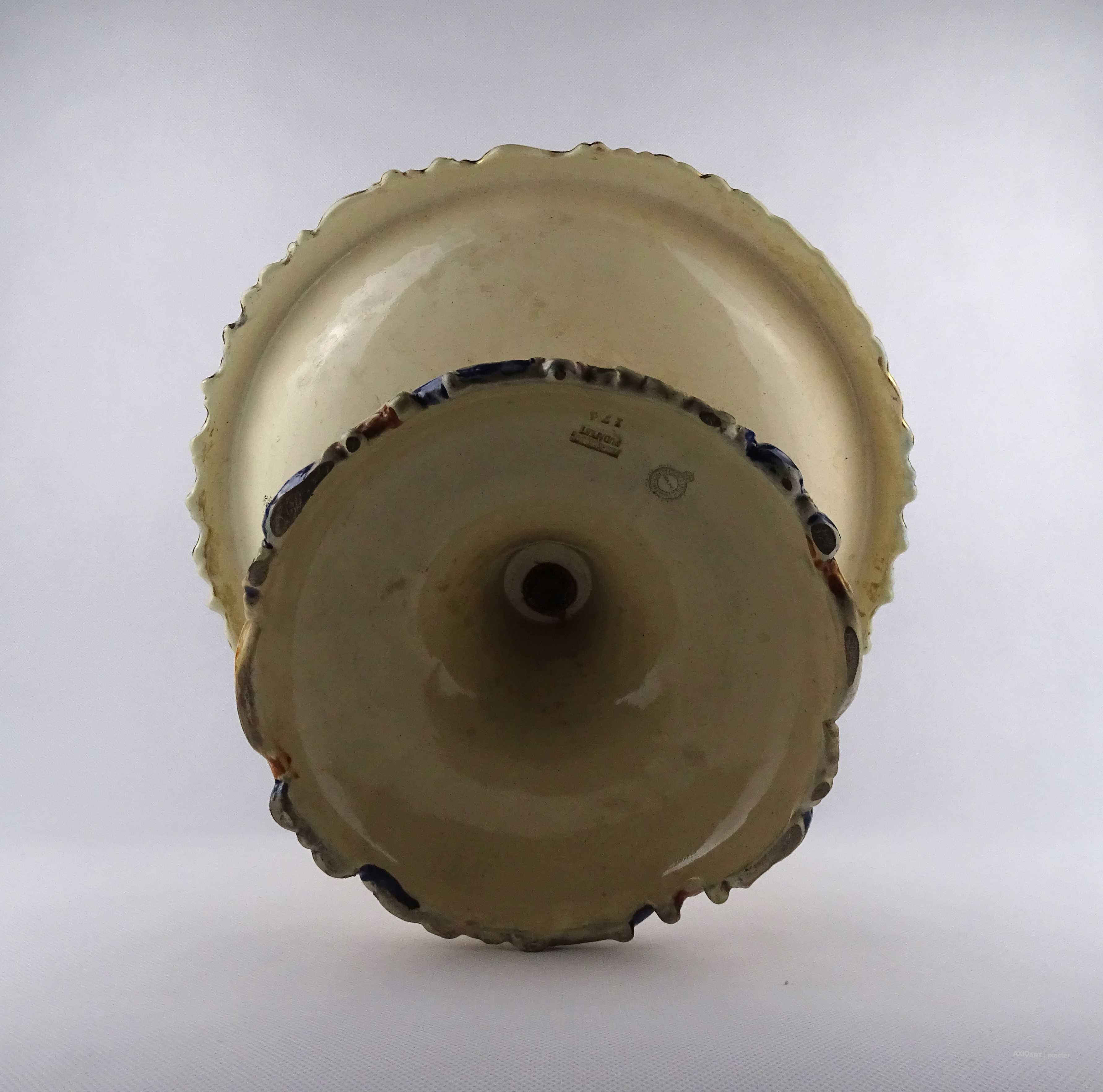
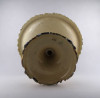
Alján zöld koronás jelzés:
FISCHER EMIL BUDAPEST PORCELÁNGYÁROS
CSÁSZ - KIR UDVARI SZÁLLÍTÓ

Mélynyomással:
FISCHER EMIL BUDAPEST

Formaszám:
174

Magasság: 49.5 cm
Szélesség: 38 cm
Súly: 3.27 kg


Tóvárosi Fischer Emil


(Herend, 1863. január 27. – Herend, 1937)

Fischer Ignátz kerámiagyáros fia. Először apja gyárában kezdet el dolgozni, ahol a gyár külkereskedelmi ügyeit intézte. A kerámiakészítésbe betanulva, egy Angliai tanulmányút befejezése után kivált apja gyárából, és saját üzemet létesített 1890-ben. A gyár a fénykorát az 1900-as és 1910-es években élte. A szecesszió szellemében terveztek, itt dolgozott Nagy Sándor, Horty Pál, és Pálinkás Béla.

1914-ben a gyár megszűnt, ezután Fischer Emil a Hollóházi Kőedénygyár tulajdonosával, Gróf Károlyi Lászlóval társult. Az Angyalföldi gyár berendezését Hollóházára szállították. Ez a társulás a világháború végével felborult.

1920-ban új gyárat alapított a Kőbányai Liget utca 11-13. szám alatt, Fischer-féle kerámia gyár RT néven. Az RT elnöke József Ferenc főherceg volt. A gazdasági vállság hatására a gyár 1929-ben bezárt.


 - Fisher Emil jelzése


Magassága 39 cm.
Súlya 1763 g.
Forrás: magyarkeramia.hu


Tulajdonságok

Jelzett: Igen
Állapot: Hibátlan

vásárlási információk

Feltöltve: 2025. május. 05.

(A műtárgyat eddig 706-en nézték meg.)

Eladó:
Átvétel: futárszolgálat
személyes átvét
Fizetés: PayPal
Átutalás
Utánvét

Antik hatalmas Fischer Emil fajansz asztalközép kínáló díszváza 49.5 cm

[1V671/BX-10] Antik, hatalmas méretű, hibátlan állapotú, duplán jelzett fajansz asztalközép kínáló és díszváza. Plasztikus mintákkal és kézi festéssel gazdagon díszített, ritka, nagy méretű váza. A váza belső pereme restaurátor által szakszerűen javított. Alján zöld koronás jelzés: FISCHER EMIL BUDAPEST PORCELÁNGYÁROS CSÁSZ - KIR UDVARI SZÁLLÍTÓ Mélynyomással: FISCHER EMIL BUDAPEST Formaszám: 174 Magasság: 49.5 cm Szélesség: 38 cm Súly: 3.27 kg   Tóvárosi Fischer Emil   (Herend, 1863. január 27. – Herend, 1937) Fischer Ignátz kerámiagyáros fia. Először apja gyárában kezdet el dolgozni, ahol a gyár külkereskedelmi ügyeit intézte. A kerámiakészítésbe betanulva, egy Angliai tanulmányút befejezése után kivált apja gyárából, és saját üzemet létesített 1890-ben. A gyár a fénykorát az 1900-as és 1910-es években élte. A szecesszió szellemében terveztek, itt dolgozott Nagy Sándor, Horty Pál, és Pálinkás Béla. 1914-ben a gyár megszűnt, ezután Fischer Emil a Hollóházi Kőedénygyár tulajdonosával, Gróf Károlyi Lászlóval társult. Az Angyalföldi gyár berendezését Hollóházára szállították. Ez a társulás a világháború végével felborult. 1920-ban új gyárat alapított a Kőbányai Liget utca 11-13. szám alatt, Fischer-féle kerámia gyár RT néven. Az RT elnöke József Ferenc főherceg volt. A gazdasági vállság hatására a gyár 1929-ben bezárt.      - Fisher Emil jelzése Magassága 39 cm. Súlya 1763 g. Forrás: magyarkeramia.hu    

További részletek
Jelzett: Igen
Állapot: Hibátlan

vásárlási információk
Feltöltve: 2025. május. 05.

(A műtárgyat eddig 706-en nézték meg.)

Eladó:
Átvétel: futárszolgálat
személyes átvét
Fizetés: PayPal
Átutalás
Utánvét

Eladási ár:
650 000 HUF
Eddig 0 ajánlat erre a műtárgyra.

Eladó további műtárgyai megnézem az eladó összes műtárgyát

a kategória hasonló műtárgyai

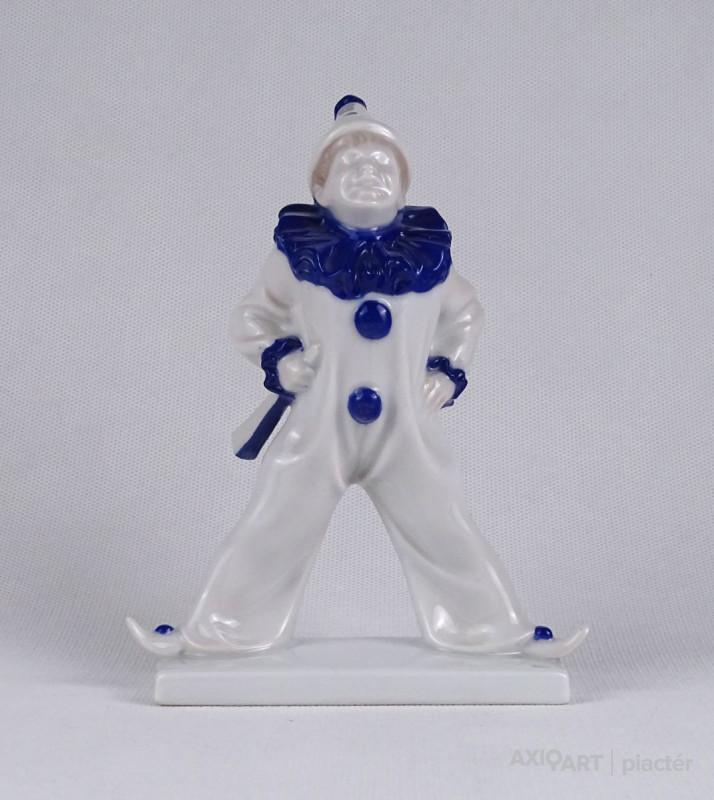
[1T504/Z040] Régi, hibátlan állapotú, talapzaton álló, szépen kidolgozott porcelán bohóc figura. Ritkán előforduló darab. Alján zöld koronás márkajelzés: ROSENTHAL SELB - BAVARIA Talapzaton formatervező neve: FRED. LIEBERMANN (Ferdinand Liebermann - Sculptor - szobrász, a Rosenthal legfontosabb, legnevesebb tervezője) Magasság: 15 cm Szélesség: 11.5 cm Súly: 0.205 kg   Ferdinand Liebermann Ferdinand Liebermann (1883–1941), the son of a toy manufacturer, was a German sculptor. He studied at the Munich School of Arts and Crafts and the Art Academy. After taking study trips to Rome and Paris, he opened a studio in 1910 in Munich. In the same year he received the Great Austrian Golden State Medal for a small bronze sculpture. Several exhibitions followed. He became one of the most important designers for the porcelain manufacturer Rosenthal AG. Liebermann’s work-spectrum encompasses bronze sculpturing, monumental sculpturing and memorials. In 1926 he received the professor title for monumental and portrait sculpturing in Munich.  After 1933, Liebermann  produced at the orders of the Nazi party 32 busts of Hitler (all 1½ life size), one of which was a commission from the city of Munich for the city hall. In appreciation he was made city councillor of the Capital of the Movement, the 'Haupstadt der Bewegung'. Liebermanns Führerbust was displayed at the XIX Venice Biennale 1934 ('Cancelliere del Reich Adolf Hitler') and also at the GDKs of 1937, 1938 and in the Münchener Kunstausttellungen 1934, 1940 and 1941. It is said that the busts designed by Liebermann were favoured by the German leader over all the others.  His sculpture 'L'Abbandoro' ('Abandoned') was displayed at the XIV Biennale 1924 in Venice; ‘Erhebung’ (‘Elevatione’ or ‘Elevation’) was displayed at the XIX Venice Biennale 1934 and later again at the GDK 1937, room 9. In 1938 his bronze ‘Abwehr’ (‘Defence’ or 'Ripulso') was displayed at the XXI Venice Biennale. Liebermann also completed a bronze bust of Hitler's half-niece Geli Raubal, who had shot herself in Hitler’s apartment in 1931. From this bust Hitler had numerous copies made for display in his residences.  At the Great German Art Exhibitions Ferdinand Liebermann was represented with 16 works, among them the two Hitler busts, the relief 'Wille’ (design for the Freikorps-monument), a bust of Riechsleiter Alfred Rosenberg, Reichsleiter Amann and two 'Kampf' sculptures.  In 1941, the year of his death, he created the massive sculpture for the  Freikorpsdenkmal in Munich. In the possession of the Bayerische Staatsgemäldesammlungen are the following works: 'Eva' (GDK 1939 room 35), 'Abwehr', 'In Erwartung', Frisches Lachen', 'Paolo', 'Rhythmus' and 'Knabe auf einem Waller reitend'. A copy of 'Eva' in bronze (72 cm high) was displayed at the exhibition ‘Kunst im 3. Reich, Dokumente der Unterwerfung’; the exhibition, instigated by the Frankfurter Kunstverein, was held from 1974 to 1975 in Frankfurt, Hamburg, Stuttgart, Ludwigshafen and Wuppertal.Ferdinand Liebermann: Ferdinand Liebermann: (1883–1941), the son of a toy manufacturer, was a German sculptor. He studied at the Munich School of Arts and Crafts and the Art Academy. After taking study trips to Rome and Paris, he opened a studio in 1910 in Munich. In the same year he received the Great Austrian Golden State Medal for a small bronze sculpture. Several exhibitions followed.r He became one of the most important designers for the porcelain manufacturer Rosenthal AG. Liebermann’s work-spectrum encompasses bronze sculpturing, monumental sculpturing and memorials. In 1926 he received the professor title for monumental and portrait sculpturing in Munich.  After 1933, Liebermann  produced at the orders of the Nazi party 32 busts of Hitler (all 1½ life size), one of which was a commission from the city of Munich for the city hall. In appreciation he was made city councillor of the Capital of the Movement, the 'Haupstadt der Bewegung'. Liebermanns Führerbust was displayed at the XIX Venice Biennale 1934 ('Cancelliere del Reich Adolf Hitler') and also at the GDKs of 1937, 1938 and in the Münchener Kunstausttellungen 1934, 1940 and 1941. It is said that the busts designed by Liebermann were favoured by the German leader over all the others.  His sculpture 'L'Abbandoro' ('Abandoned') was displayed at the XIV Biennale 1924 in Venice; ‘Erhebung’ (‘Elevatione’ or ‘Elevation’) was displayed at the XIX Venice Biennale 1934 and later again at the GDK 1937, room 9. In 1938 his bronze ‘Abwehr’ (‘Defence’ or 'Ripulso') was displayed at the XXI Venice Biennale. Liebermann also completed a bronze bust of Hitler's half-niece Geli Raubal, who had shot herself in Hitler’s apartment in 1931. From this bust Hitler had numerous copies made for display in his residences.  At the Great German Art Exhibitions Ferdinand Liebermann was represented with 16 works, among them the two Hitler busts, the relief 'Wille’ (design for the Freikorps-monument), a bust of Riechsleiter Alfred Rosenberg, Reichsleiter Amann and two 'Kampf' sculptures.  In 1941, the year of his death, he created the massive sculpture for the  Freikorpsdenkmal in Munich. In the possession of the Bayerische Staatsgemäldesammlungen are the following works: 'Eva' (GDK 1939 room 35), 'Abwehr', 'In Erwartung', Frisches Lachen', 'Paolo', 'Rhythmus' and 'Knabe auf einem Waller reitend'. A copy of 'Eva' in bronze (72 cm high) was displayed at the exhibition ‘Kunst im 3. Reich, Dokumente der Unterwerfung’; the exhibition, instigated by the Frankfurter Kunstverein, was held from 1974 to 1975 in Frankfurt, Hamburg, Stuttgart, Ludwigshafen and Wuppertal.
Régi Ferdinand Liebermann Rosenthal porcelán bohóc figura 15 cm
124 000 HUF